
Sex Offender Checks in Dorchester County
The South Carolina Sex Offender Registry Tool, known as SORT, is the official public starting point. SLED maintains the statewide system with information supplied and checked through county sheriffs. Dorchester County does not publish a separate local registry map or appointment page. That makes SORT the public search channel, while the Dorchester County Sheriff's Office remains the practical contact for local registration questions. Call 843-832-0300 before going to 212 Deming Way in Summerville so staff can confirm the current unit, location, and appointment process.
Start with the question you need to answer. A name search helps when identity is known. A geographic search supports awareness near an address. Community Notifications can track later changes after signup. None of those routes predicts future conduct. Inclusion rests on a qualifying conviction or adjudication, not a personal risk score. Check aliases, photographs, the reported address, and the listed offense together. If a detail seems wrong, use SLED's registry correction contacts rather than drawing a conclusion from a single field.
Dorchester County Registry CAPTCHA Gate
SORT places its Conditions of Use before the search tools. A visitor must accept those terms, enter the displayed CAPTCHA code, and select Continue. That gate can stop automated access, but it does not signal that Dorchester County records are closed. It is simply part of the public interface. After entry, SORT presents routes for names, geography, and community notices. Exact map radii should be read from the live form because SLED can change those choices.
The official SLED registry entry page shows the conditions and route into the search.
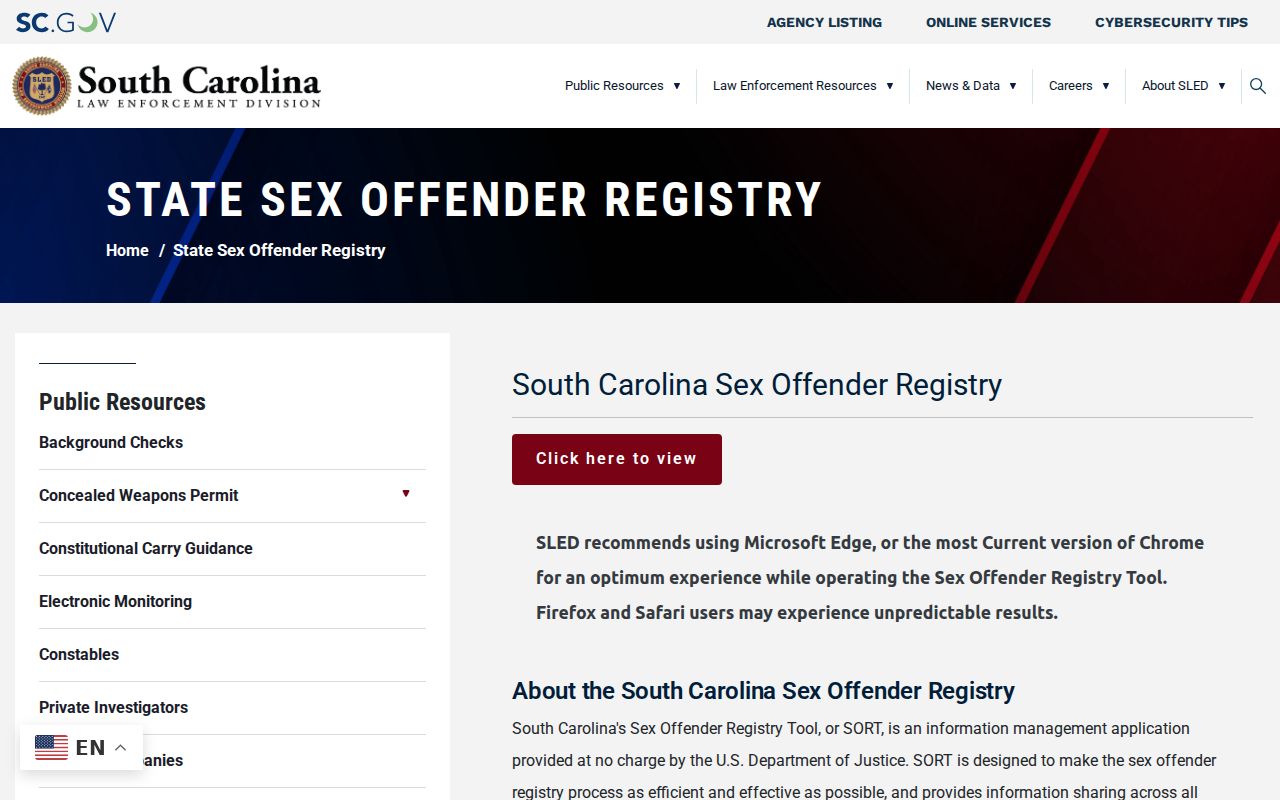
This screen matters because every Dorchester County registry search begins with acknowledgment and a current verification code. Browser choice can matter too. SLED recommends current Chrome or Edge and warns that Firefox or Safari may act unpredictably. If Continue does not work, try a supported browser, refresh the CAPTCHA, and avoid guessing at hidden search controls.
How to Search the South Carolina Sex Offender Registry Tool (SORT)
A Dorchester County search can follow a short, repeatable path. Have a full name, known alias, or useful location ready. Read the result as a lead that must be matched with the full profile. Reported addresses can change, and officials may still be checking a recent update. The search itself is free.
- Open SORT, read its conditions, accept them, and complete the CAPTCHA.
- Choose Name Search or Geographic Search based on what is known.
- Review possible matches by name, aliases, photographs, and reported location.
- Open the complete profile and read the qualifying offense and map details in context.
| Search Control | Type | Required | Use |
|---|---|---|---|
| Conditions agreement | Acknowledgment | Yes | Accepts statutory and accuracy warnings |
| CAPTCHA code | Text | Yes | Opens the registry routes after Continue |
| Name Search | Route | One route | Searches registered names and aliases |
| Geographic Search | Route | One route | Searches by location; confirm live radius choices |
| Community Notifications | Route or form | No | Starts alert registration |
The live SORT interface displays the search gateway after its conditions are accepted.
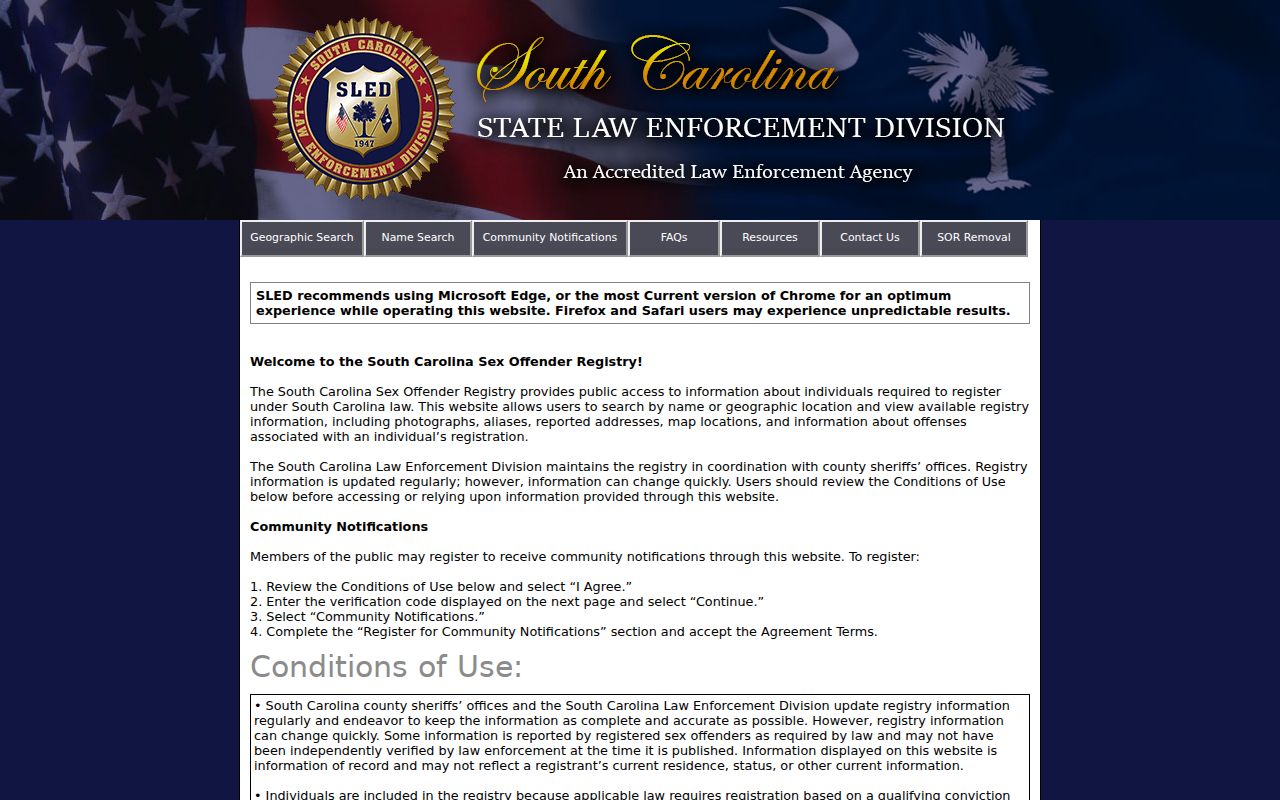
The official interface is the safest place to confirm any field that was not visible during research, especially changing radius options.
Dorchester County Registry Search Routes
Name and geographic searches answer different questions. Use the name route to check a known person, including an alternate spelling or alias shown in a result. Use the geographic route to review reported locations near a place that matters to family or community safety. A failed name query does not prove that no profile exists. Spelling, an alias, or a recent data update can change the match. Likewise, a map pin is a reported residence point, not proof that the person is present at a specific moment.
Community Notifications serve a third purpose. They allow a user to register again for notices after passing the same conditions and CAPTCHA gate. That is useful when the need is to learn of later registry changes, not just take a one-time snapshot. Dorchester County users should keep alert contact details current and return to the official profile before acting on a notice. The registry changes over time, so a saved image or old printout should not outrank the live SLED record.
Inside a Registry Profile
SLED's official description confirms a focused set of public fields. A profile can show a person's primary name, aliases, current and older photographs, a reported address with a residence map, and qualifying sexually related convictions. These fields help distinguish people with similar names and place the registration basis in context. Research did not verify other live profile controls through the CAPTCHA, so unconfirmed items should not be assumed.
| Name and Aliases | Primary identity and other names recorded by the registry |
|---|---|
| Photographs | Current and historical images that can help resolve identity |
| Reported Address | Residence information supplied for registration and shown with a map |
| Qualifying Offenses | Sexually related convictions that support registry inclusion |
| Data Status | Information may change as registrants report updates and officials verify them |
A profile is not the same as a full criminal history. It does not replace the underlying court file, and the offense shown should not be broadened beyond the official wording. For a correction, contact the SLED SOR Unit at 803-896-2601 or sor@sled.sc.gov. Written correspondence goes to P.O. Box 21398, Columbia, SC 29210.
Note: Registry inclusion follows a qualifying conviction or adjudication and is not an individualized forecast of future behavior.
Dorchester County Registry Data Changes
Sheriffs and SLED update SORT, but the facts can move faster than the public screen. Some information begins with a registrant's report and may still await local verification. Compare multiple profile features. A photo from another year can still help with identity, while an address change may be quite recent. When safety depends on a disputed fact, call the appropriate law enforcement office. Do not confront anyone.
The FBI Crime Data Explorer is an official source for broad crime statistics, but it is not an offender registry.
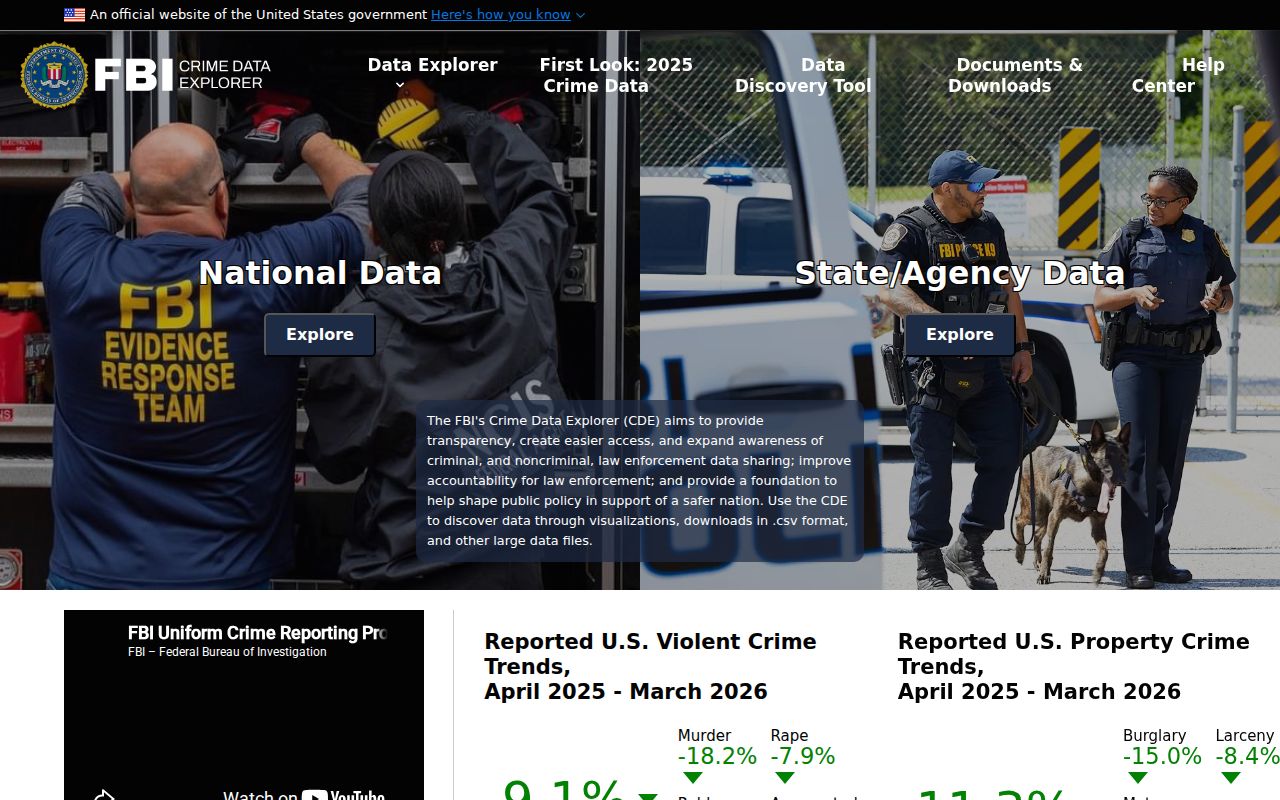
This distinction prevents a common error. Aggregate crime data describe reported events and agency submissions. SORT profiles describe people who have a qualifying conviction or adjudication and an active registration duty. Neither source should be used to infer unlisted conduct by a person or to label a Dorchester County neighborhood.
South Carolina Registration Levels and Requirements
South Carolina uses offense-based statutory tiers. They are categories tied to registration law, not local danger scores. Registration and verification duties continue unless the law permits termination. Section 23-3-460 generally calls for twice-yearly verification for life. Sexually violent predators and federal SORNA Tier III registrants verify every 90 days. A registrant generally must register in each county where the person lives, owns property, works, or attends school, and must report an address or county change within three business days.
| State Tier | Ordinary Framework | Earliest Removal Route |
|---|---|---|
| Tier I | Offense-based duties continue unless terminated | SLED administrative request after 15 qualifying years |
| Tier II | Offense-based duties continue unless terminated | SLED administrative request after 25 qualifying years |
| Tier III | Highest offense-based tier; some verify every 90 days | General Sessions motion after 30 qualifying years |
Removal is not automatic at those dates. Conditions include treatment completion when required, no failure-to-register conviction in the prior ten years, and no later qualifying sexual offense. SLED may charge up to $250 and generally has 120 days to decide an administrative request. Registration stays in force while an application is pending.
Dorchester County Registry Residence Rule
Section 23-3-535 creates a 1,000-foot residence restriction for specified convictions involving minors. The distance runs property line to property line. Covered places include schools, daycare centers, children's recreational facilities, parks, and public playgrounds. The statute also contains exceptions, so a map alone cannot settle whether a particular residence is lawful. The qualifying offense, property boundaries, and any exception all matter.
This is another reason to separate registry research from field enforcement. SORT helps a Dorchester County resident see a reported location and conviction information. The sheriff and SLED apply registration rules to the actual facts. A user who sees a possible compliance problem should report it to law enforcement and state the specific profile and location concern. Public accusations based on a rough visual estimate can be wrong and can place others at risk.
Dorchester County Registry Beyond SORT
The National Sex Offender Public Website adds a cross-state search across participating jurisdictions.
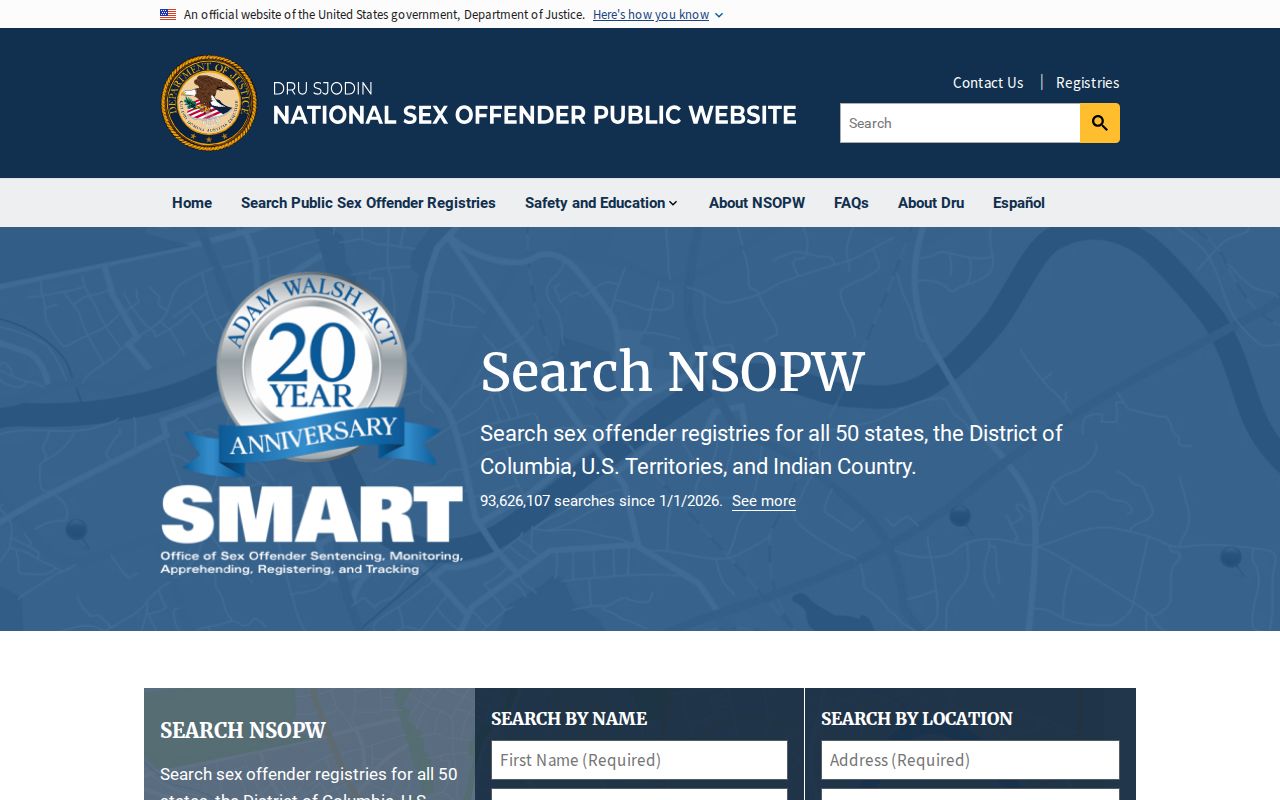
NSOPW is most useful when a person may have ties outside South Carolina or when a search should cross state lines. It remains a supplement. For a Dorchester County address or South Carolina registration detail, SORT is the authoritative state source and the sheriff is the local registration contact.
The two systems may present links or fields in different ways because the national tool draws from participating jurisdictions. Search each source on its own terms. If an entry appears in one place but not the other, return to the originating state profile and contact that registry office for clarification. Do not treat a lag between systems as proof that a duty ended.
Dorchester County Registry Versus History
A registry search has a narrow purpose. SLED CATCH, court dockets, and fingerprint-based identity review cover other parts of a criminal record. SORT itself warns that it is separate from the CATCH name check. The FBI's Identity History Summary guidance explains the subject-only fingerprint route, but that record does not replace a live Dorchester County SORT search.
The FBI electronic Identity History Summary portal shows the separate fingerprint-based personal review route.
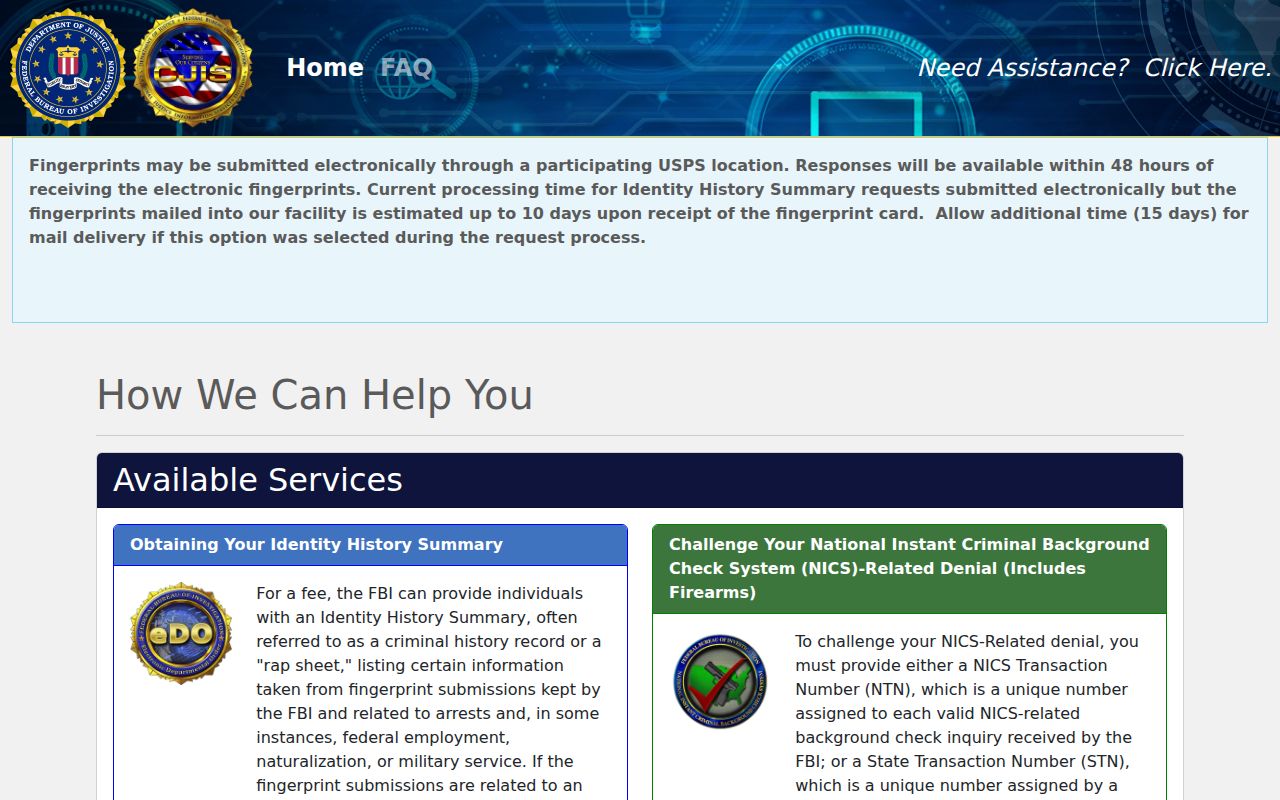
The comparison is practical: use SORT for registry status and reported location, a court source for the case file, and personal fingerprint review for identity-confirmed history. One source should not be described as though it contains the fields of another.
Community Notification and Lawful Use
Registry information supports informed safety planning and community awareness. It does not authorize harassment, threats, injury, intimidation, or vigilantism. Dorchester County residents can use Community Notifications to learn of updates, then confirm the current official profile. When a person appears noncompliant or an address seems inaccurate, report the concern through the Sheriff's official channel. The county gateway confirms current department routes, while the Sheriff records page is reserved for requests for releasable records. Let trained staff verify registry compliance.
Registry misuse is a crime: Under S.C. Code Section 23-3-510, using registry information to commit a crime can add punishment. Harassment, injury, threats, and vigilantism are forbidden.
South Carolina can add up to a $1,000 fine and six months of imprisonment when the underlying misuse is a misdemeanor. A felony misuse can bring up to five additional years. Those are maximum added penalties, not a forecast in any case. The best response to a possible error or violation is a clear report to the proper agency, backed by the profile and location details that prompted concern.